
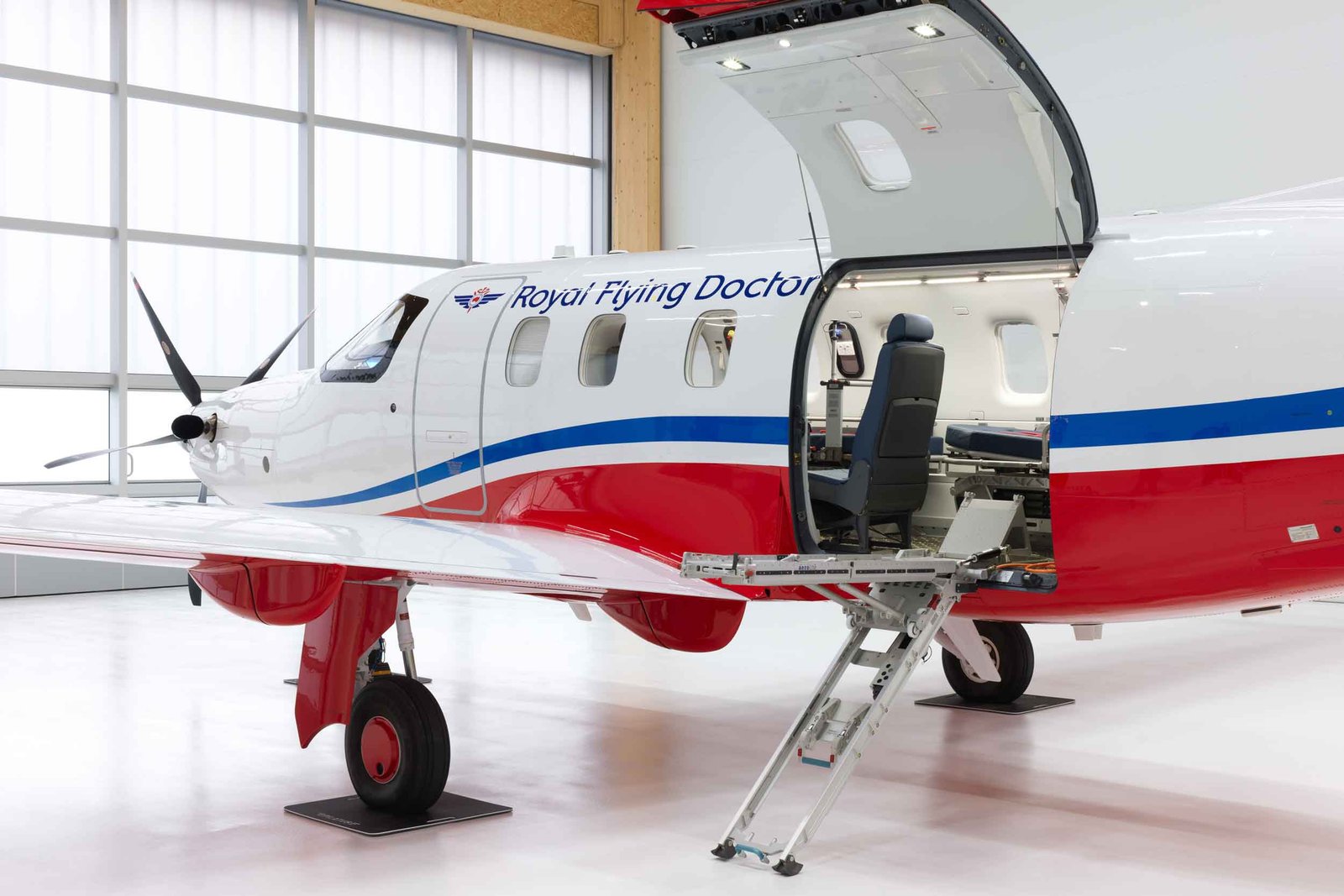
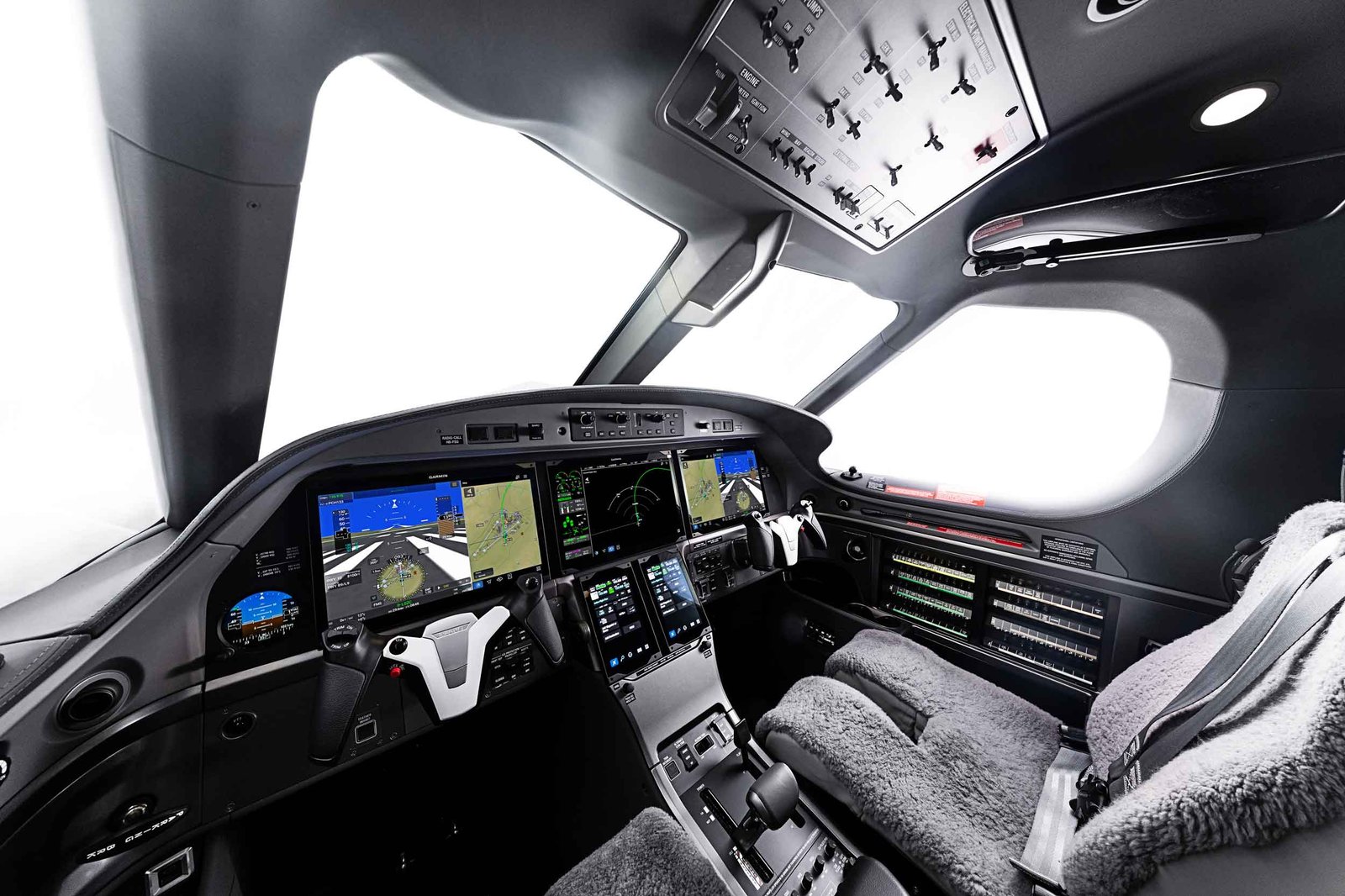
Pilatus has marked a significant milestone in aeromedical aviation with the delivery of the first PC-12 PRO configured for medical operations to the Royal Flying Doctor Service (RFDS) of Australia.
The aircraft, serial number 3010, is the first of five new PC-12 PROs destined for RFDS Central Operations, reinforcing a partnership that has spanned more than three decades.
Operating across some of the most remote regions in the world, the RFDS provides essential healthcare services throughout South Australia and the Northern Territory. The addition of the PC-12 PRO is expected to enhance both the capability and reliability of its fleet, supporting its mission to deliver medical care to isolated communities.
The PC-12 platform has long been valued in aeromedical roles due to its versatility and durability. The latest PRO variant builds on this reputation with updated avionics, improved performance, and enhanced safety systems.
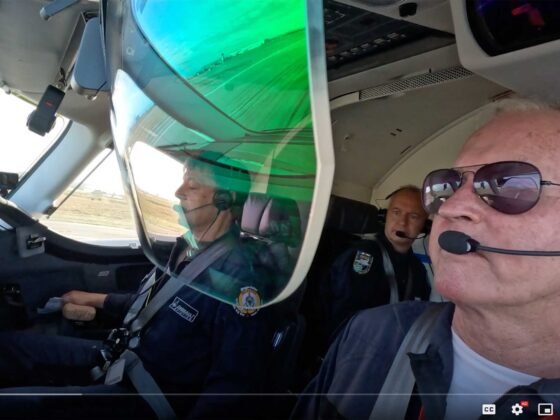
One of its most notable features is the integration of the Garmin 3000 avionics suite, paired with advanced safety technologies including an automated emergency landing system.
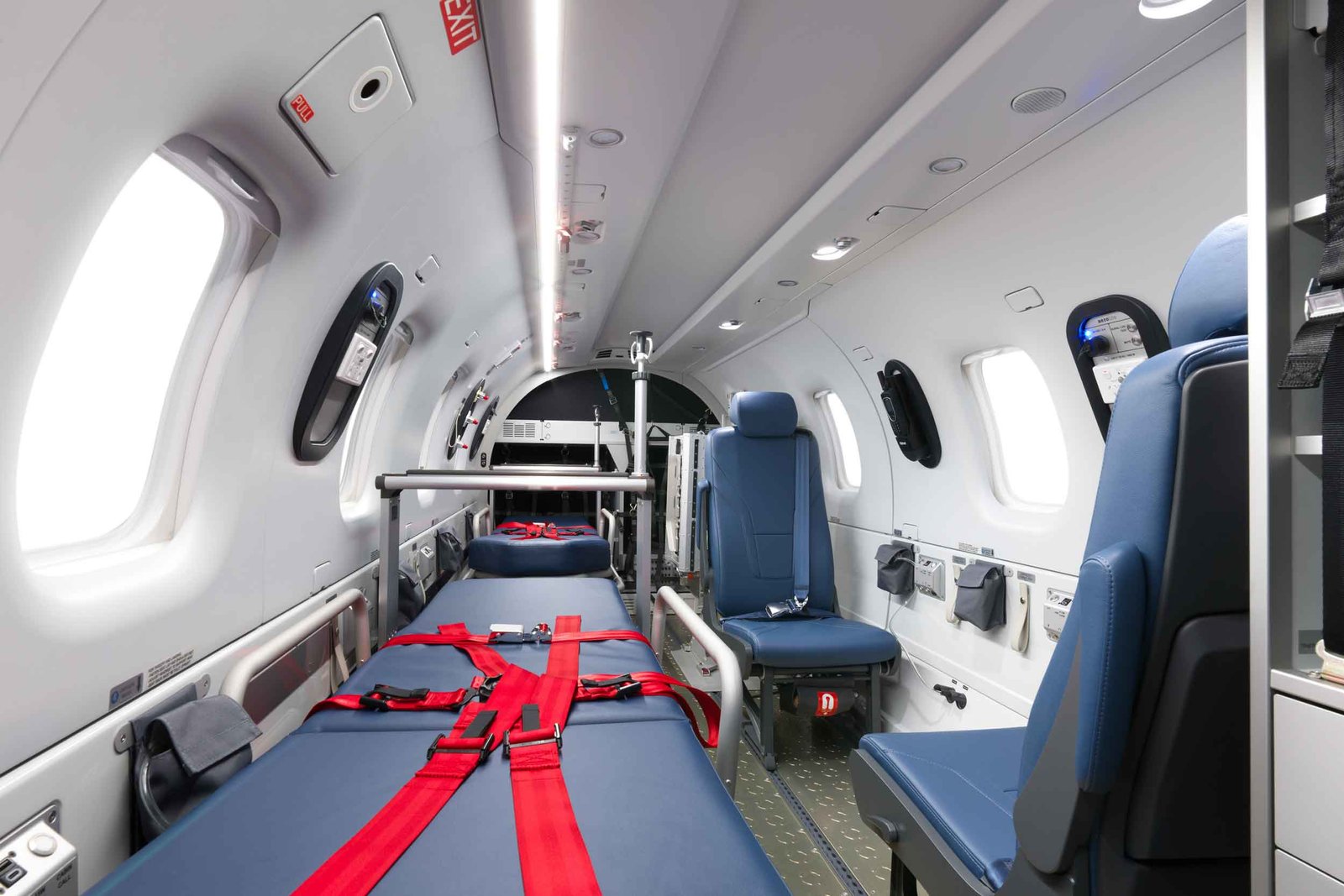
From an operational standpoint, the aircraft’s design is particularly well suited to medical missions. Its pressurised cabin, offering more than nine cubic metres of space, allows for the installation of advanced medical equipment while still accommodating patients and crew comfortably.
In addition, a large cargo door and integrated lift system enable efficient patient loading and unloading—critical factors in time-sensitive scenarios.
RFDS Chief Executive Tony Vaughan highlighted the aircraft’s proven reliability and safety record, particularly in challenging and varied environments ranging from southern Australia to tropical northern regions. The introduction of the PC-12 PRO is expected to further strengthen response times and operational efficiency, ensuring patients can receive care quickly and safely.
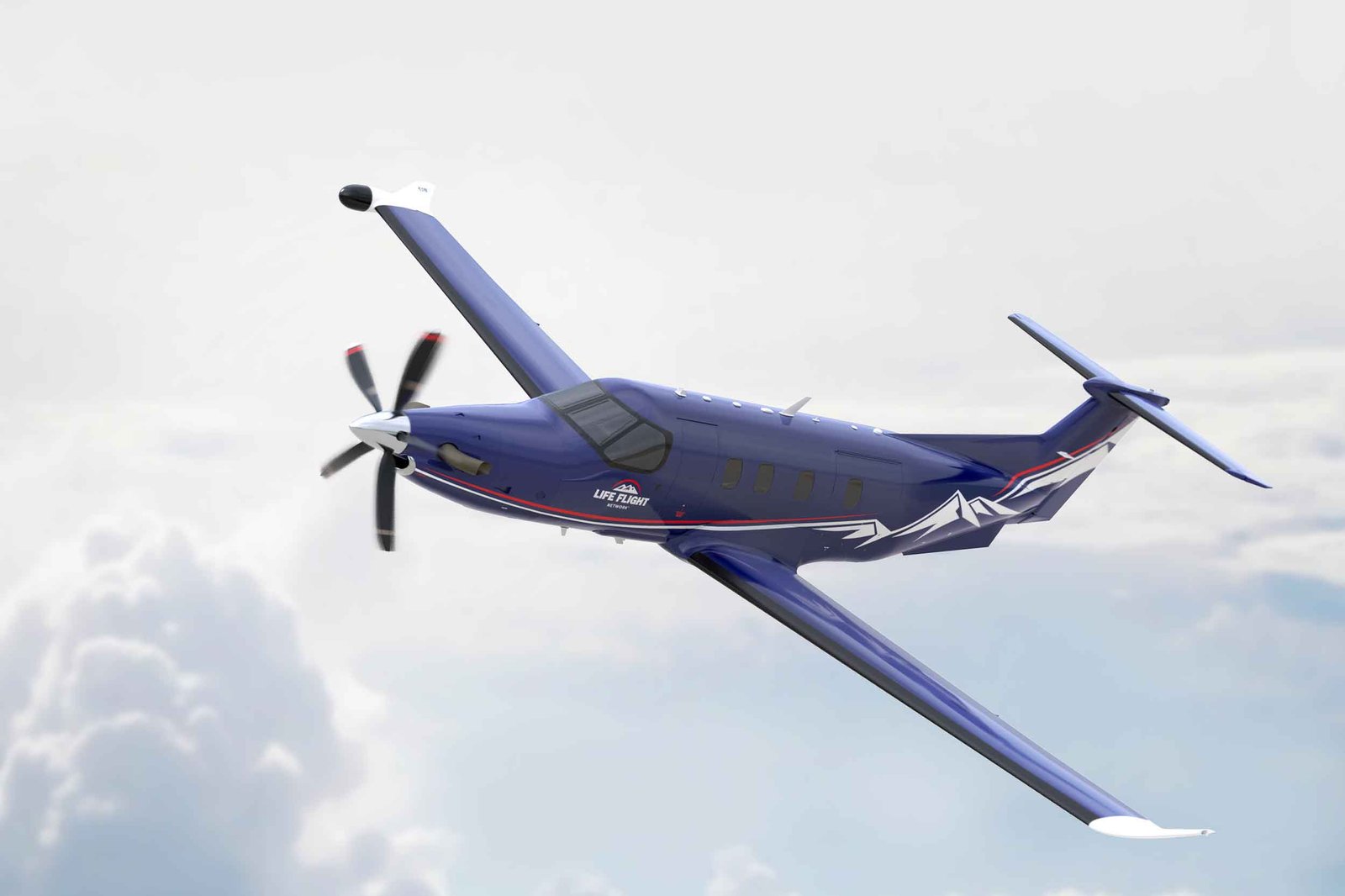
The global appeal of the PC-12 PRO in aeromedical roles is further underscored by a major order from Life Flight Network in the United States. The organisation has signed a ten-year agreement for twelve aircraft, with options for additional units as part of a long-term fleet modernisation strategy. Deliveries are scheduled to begin in 2027.
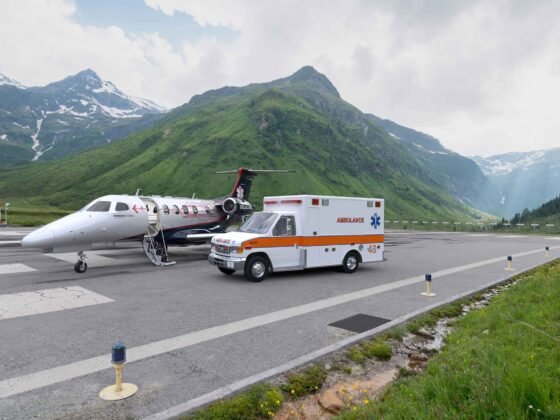
Life Flight Network, one of the largest not-for-profit air medical providers in the United States, operates across a wide and geographically diverse service area that includes the Pacific Northwest, Intermountain West, and Hawaii. The PC-12 PRO’s ability to operate from short and unpaved runways makes it particularly suitable for reaching remote or underserved locations.
Each aircraft in the Life Flight order will be configured as a turnkey medevac platform, capable of delivering intensive care unit (ICU)-level transport. This level of onboard capability is increasingly important in modern air medical operations, where aircraft must function as fully equipped flying treatment centres.
The PC-12 family itself has established a strong global track record, with more than 2,200 aircraft delivered and over twelve million flight hours accumulated. This operational history has contributed to its reputation for reliability and safety, key considerations for organisations tasked with life-saving missions.
Pilatus has positioned the PC-12 PRO as a continuation of this legacy, combining proven airframe characteristics with modern avionics and safety enhancements. Its ability to balance performance, flexibility, and operational efficiency has made it an increasingly attractive option for aeromedical providers worldwide.
As both the RFDS and Life Flight Network expand and modernise their fleets, the PC-12 PRO appears set to play a central role in the next generation of air medical services. Its introduction reflects a broader trend towards more capable, technologically advanced aircraft designed to meet the growing demands of emergency medical transport in remote and challenging environments.